With Asians of any age being more prone to these, it’s time to have your questions about this medical condition answered.
What are kidney stones and how are they formed?
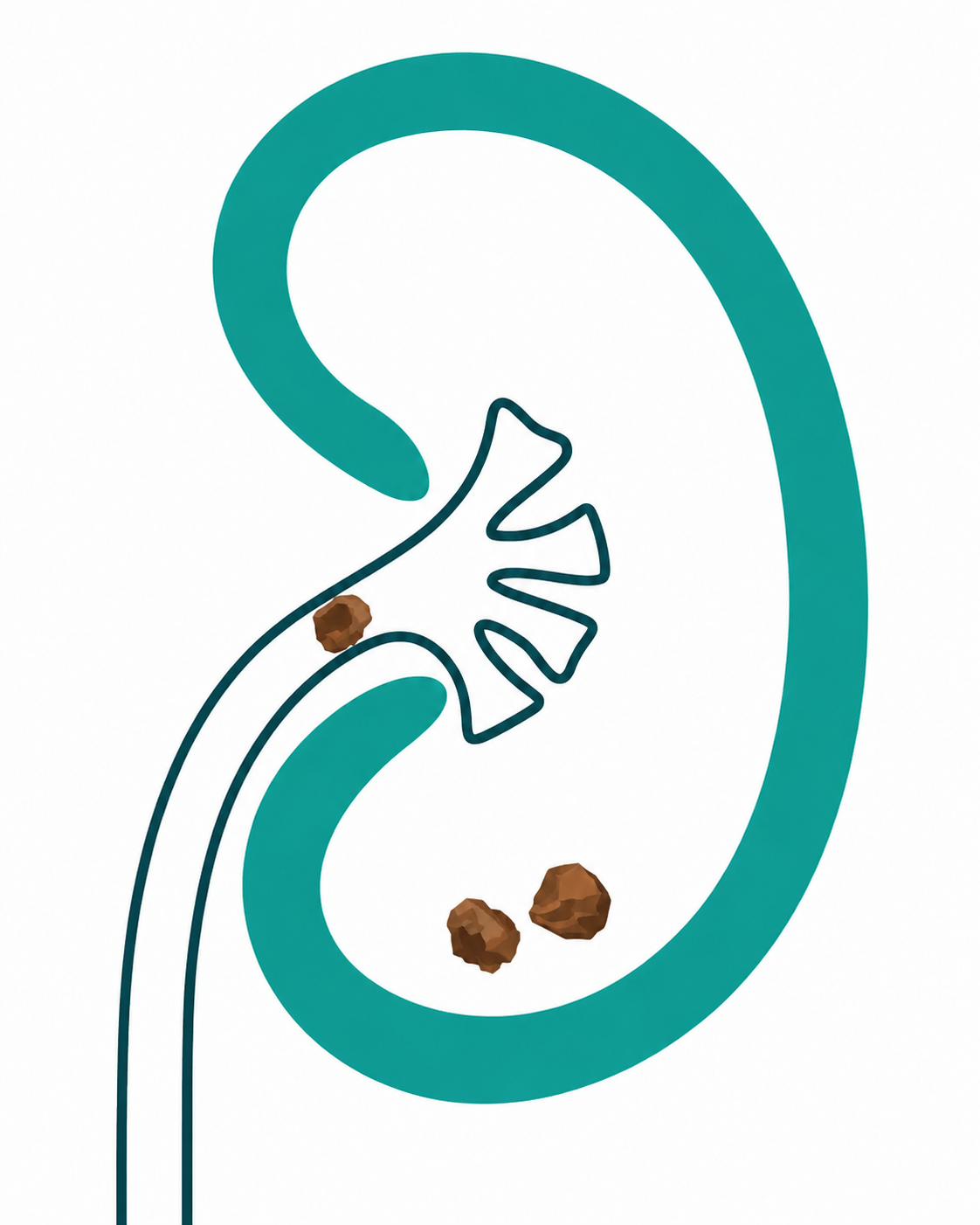
Kidney stones are mineral crystals that form inside the lining of the kidneys. They usually comprise substances like calcium, oxalate/phosphate and uric acid. Stones usually form when the urine is concentrated, allowing minerals to crystallise. Most kidney stones are calcium stones (calcium oxalate).
How common are they? Who are especially prone to them?
Kidney stones can form in anyone, although they are more common among Asian adults. About 5% of individuals may develop kidney stones during their lifetime, with men more often affected than women. Dehydration is a major risk factor for kidney stone formation. Those who are overweight are more prone to stone formation, especially uric acid stones. People with medical conditions like gout and diabetes mellitus also run a higher risk. Diet is related as well. Those who take supplements like calcium tablets in excessive amounts are at risk. A family history of kidney stones is a risk factor for developing kidney stones, which can also result from infection in the urinary tract (struvite or infection stones).
Can stone formation be prevented?
Kidney stones can be prevented by making changes in fluid intake and lifestyle. Depending on the type of kidney stone, changes in consumption of sodium, animal protein, calcium and oxalate may help to minimise stone formation. Drinking adequate fluid each day is one of the best ways to help prevent most types of kidney stones. It is recommended that a person drinks two to three litres of fluid a day. Other fluids, such as citrus drinks, may also help prevent kidney stones.
AVOIDING KIDNEY STONES: 5 TIPS
1.
Drink more than two to three litres of fluid a day and keep the urine light-coloured.
2.
Consume more citrus fruits/juices like lime, lemon and orange as their citrates are inhibitors for stone formation.
3.
Adopt a diet low in salt and animal protein; eat less oxalate-rich food such as spinach, nuts, tea, chocolate and soy products.
4.
Manage your weight and control medical conditions such as gout.
5.
Consume calcium-rich foods, but use calcium supplements judiciously.
What are the best treatment options?
Most kidney stones may remain symptom free. Treatment is required when the stones become symptomatic or cause obstruction/infection. Small kidney stones may pass out spontaneously. The pain from smaller stones usually lasts for a few days and disappears when the stone has been passed. Analgesia is required during acute episodes of pain. For kidney stones smaller than 2cm, a non-invasive method, extracorporeal shockwave lithotripsy, or ESWL, may be applied to fragment the stone into smaller pieces that can pass out through the urinary tract. This involves using X-rays or ultrasound to localise the kidney stone and break it up. For symptomatic or obstructed stones in the urinary tract, minimally invasive methods like ureterorenoscopy (URS), whereby a telescope is inserted into the urinary tract to fragment the stone using laser, may be used. URS is performed under general anaesthesia. Both ESWL and URS may be performed as day surgery or on an out-patient basis. For larger kidney stones (>2.5cm), or stubborn or hard stones refractory to earlier treatment method, keyhole surgery (percutaneous nephrolithotomy) may be performed.