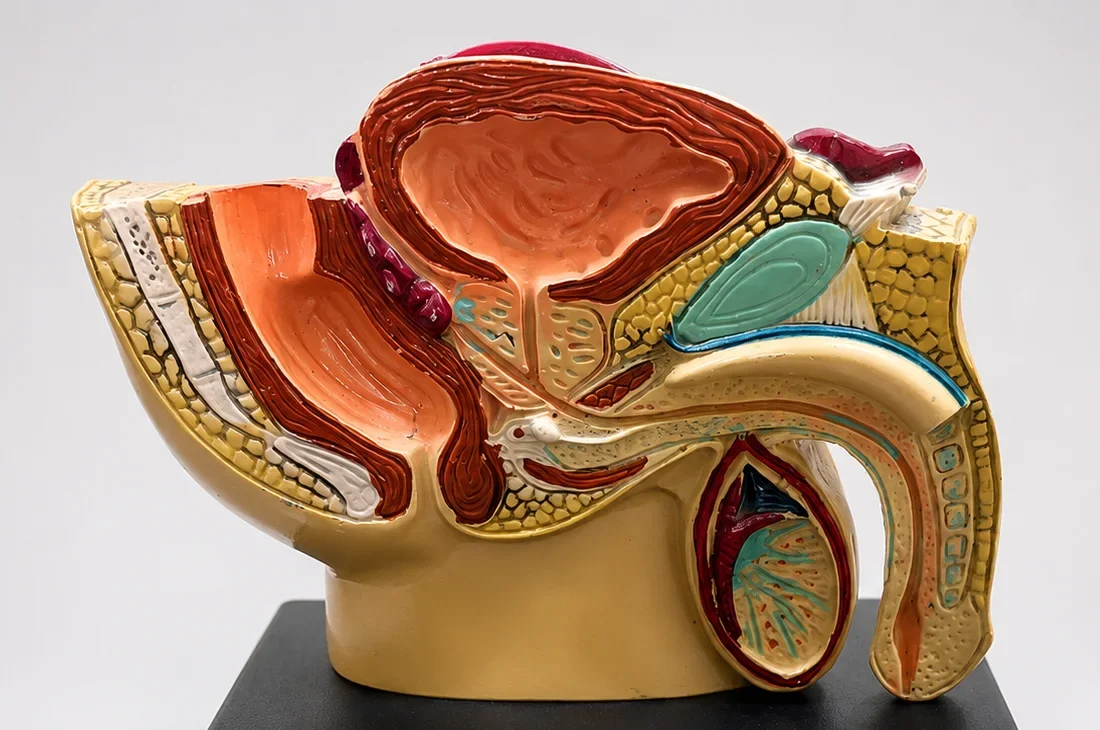
Benign prostatic hyperplasia (BPH) is one of the most common neoplasms of aging men, and one of the most common reasons for surgery among older men.¹ At the age of 40 years, only 8% of men have BPH.² Benign prostatic hyperplasia is present in about half of the male population over 50 years of age,³ and the incidence increases to 60% of men in their 70s and to 90% of men older than 80 years.²
Because the symptoms of BPH affect quality of life for many men, it is a significant public health problem.
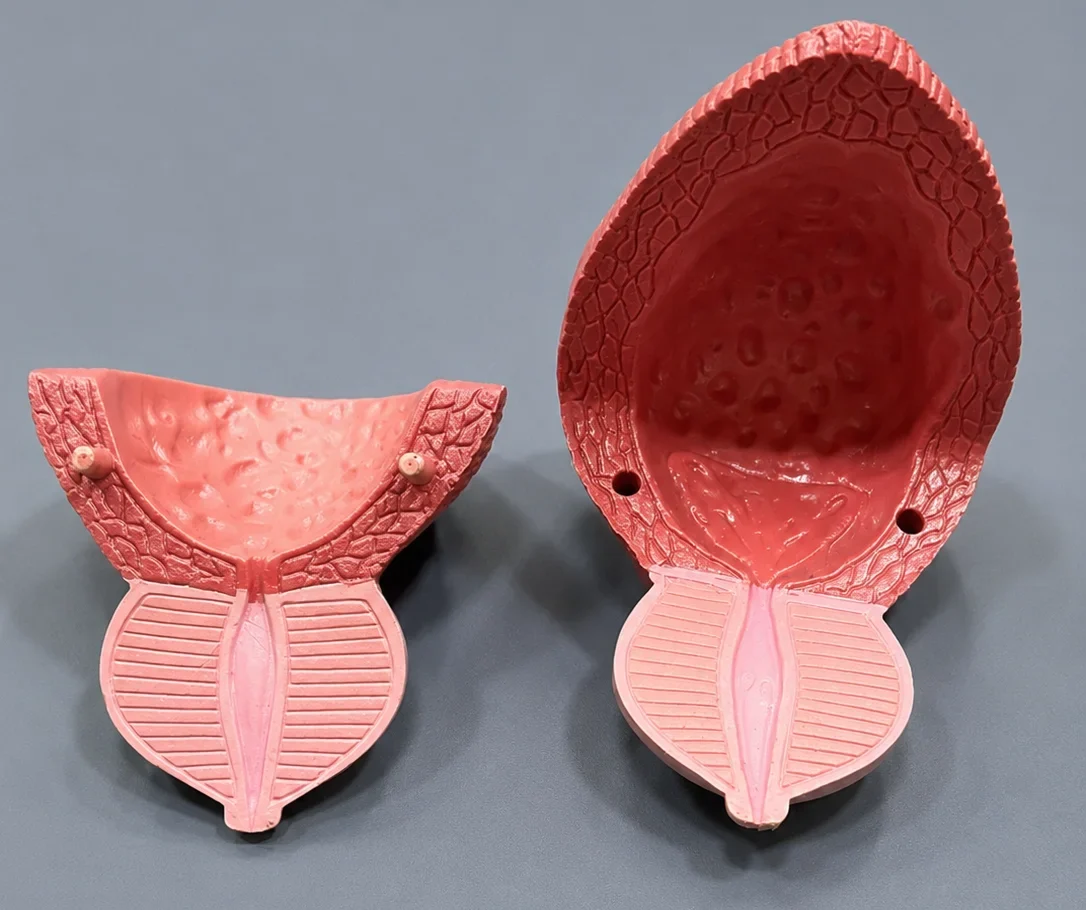
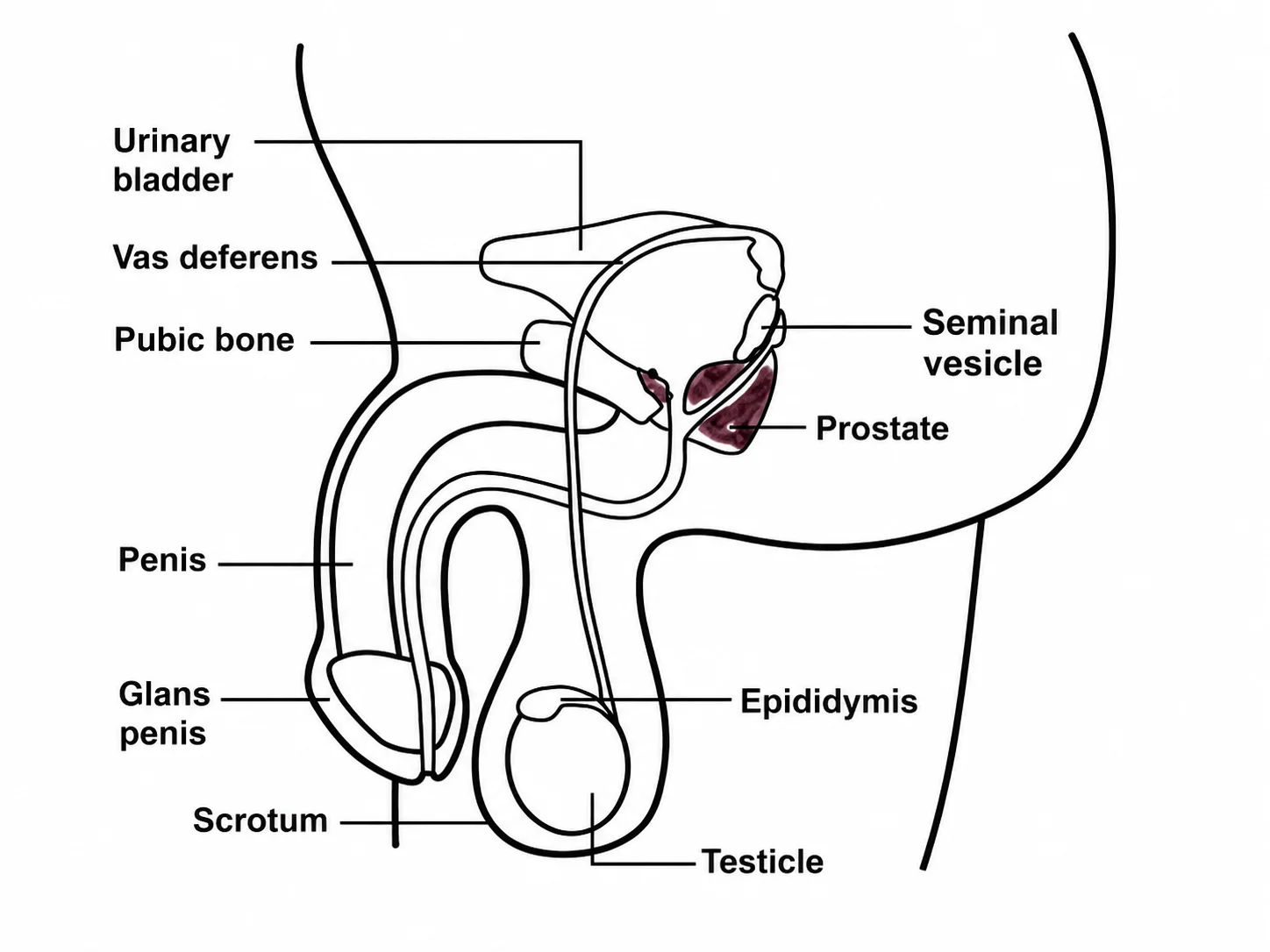
The prostate gland tends to enlarge with age, beginning at about age 50. As tissues in the gland enlarge, they often compress the urethra and partially block urine flow.
The severity of symptoms varies and may include this can lead to :
Weak urine stream
Difficulty starting urination
Increased urination at night (nocturia)
nability to completely empty the bladder
Blood in the urine (hematuria)
Urinary tract infection
The enlagrment of Prostate (BPH) can lead to various detrimental effects on the bleader which becomes week due to extra work, back prusser or on erater and kidneys, leading to progressive renal failure.
If you’re experiencing urinary problems, seek medical advice. doctor can help determine whether you have BPH and whether symptoms warrant treatment.
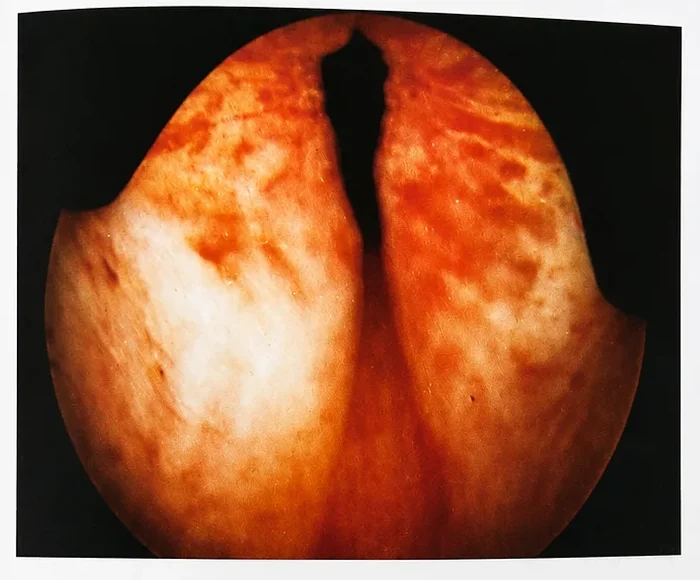
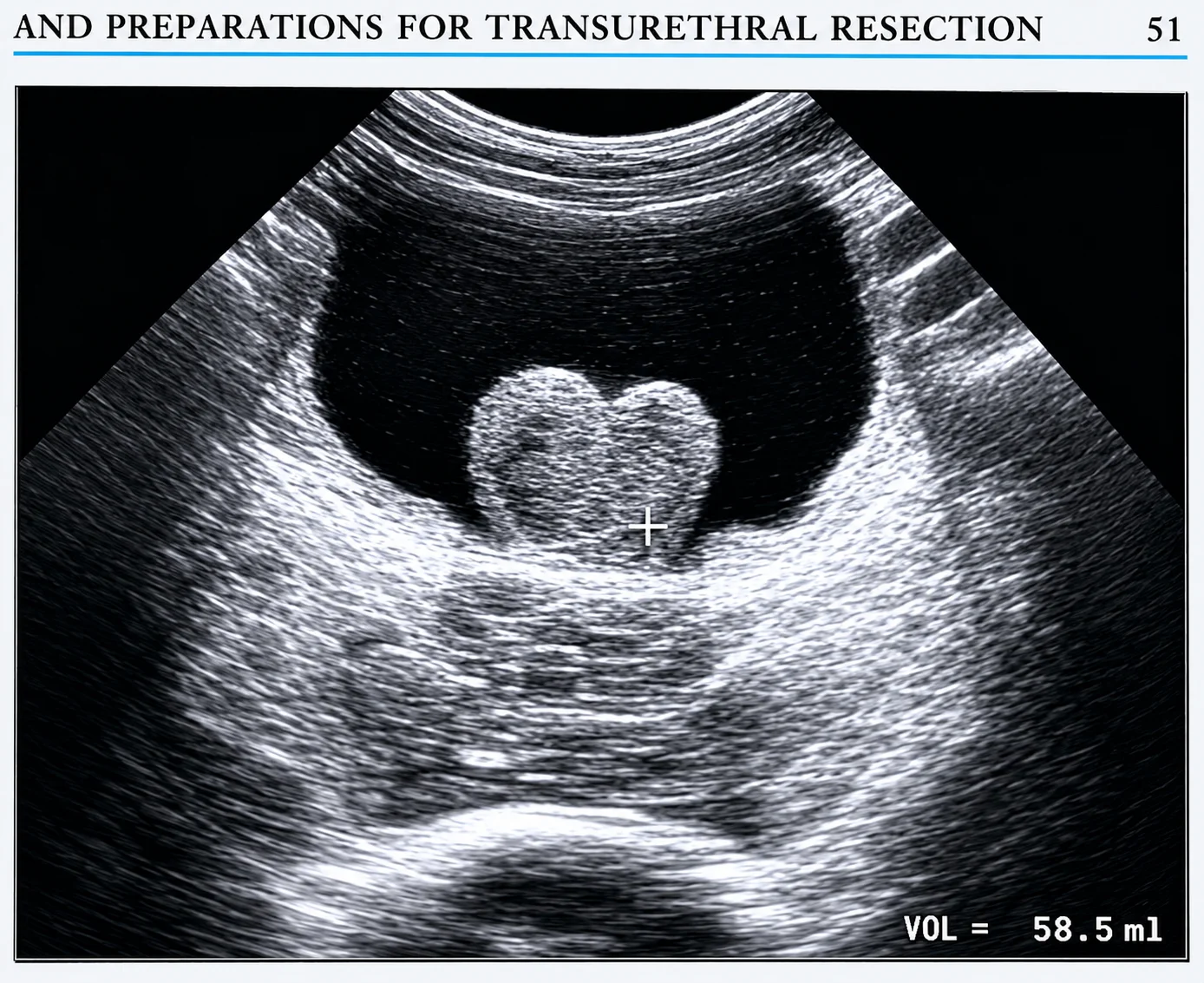
All Patientes demand investigations including USG, PSA estimation and in few cystoscopy before deciding on appropriate treatment.
Treatment for BPH depends on its serverity and your preference of options.
Wait and Watch
Medical Therapy
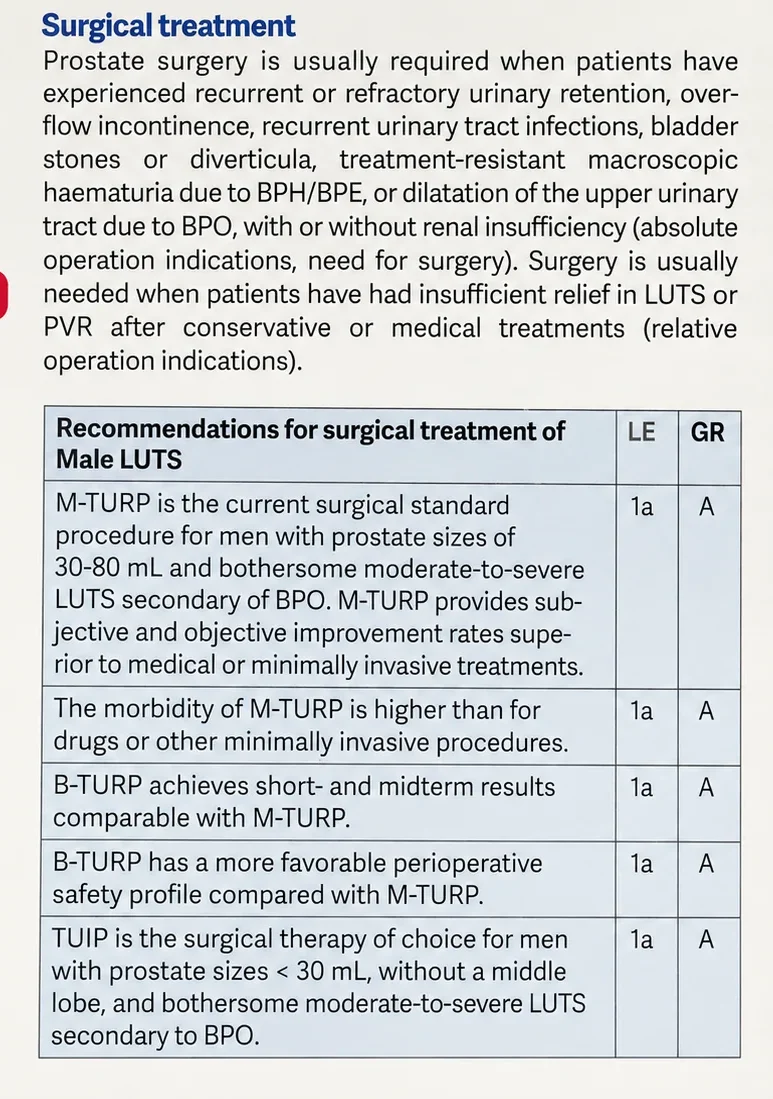
Surgery – mostly endoscopic – TURP, the gold standard, TURIS (Video shown), HOLEP , Rezum.
Prostate stents in inoperable.
European Association Guidelines
Prostate Cancer
Prostate cancer is one of the most common cancer in men. The average age at diagnosis of prostate cancer is 72, the incidence of this cancer increases rapidly after the age of 50. Some times their are no symptoms and if their are symptoms they can be consfuse with symptoms BPH. Therefore prostate needs periodic checks to rule out changes of cancer either by rectal examination and a blood test called the prostate specific antigen. Treatment options vary with the stage of the tumor.